
What Coastal Homes Really Need to Survive NZ Weather (And What Most People Get Wrong)
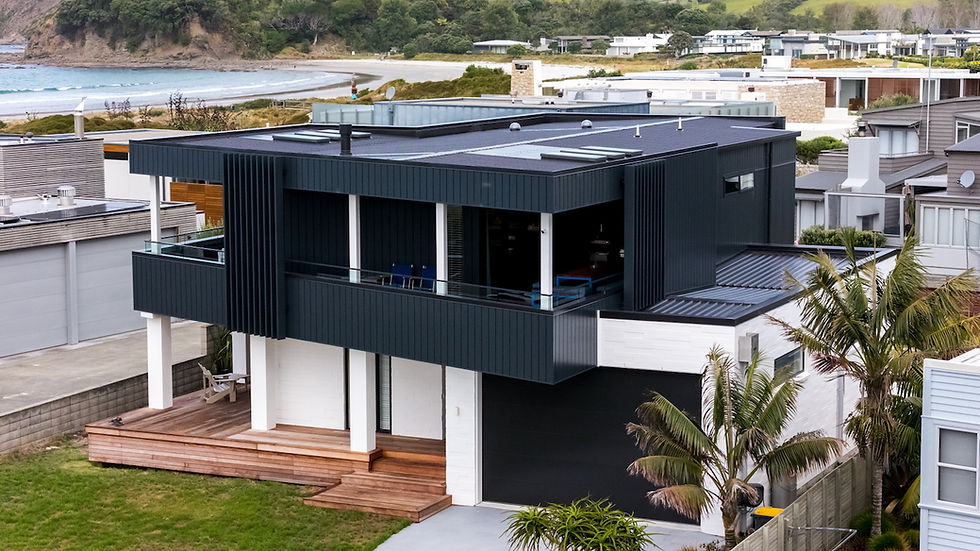
Building near the coast is a dream for many New Zealanders. Sea views, fresh air, and a relaxed lifestyle are hard to beat. But coastal environments are also some of the harshest places to build, and getting it wrong can lead to expensive maintenance, premature wear, and long-term durability issues.
Here’s what coastal new build homes in places like Omaha and Algies Bay really need to stand the test of time, and some of the most common mistakes we see along the way.
1. Materials Matter More Than Looks Alone
Salt-laden air, high winds, UV exposure, and driving rain all take a toll on buildings near the coast. Choosing materials purely on appearance is one of the biggest mistakes homeowners make.
What works well in coastal environments:
Treated timber suitable for exposed conditions
Fibre cement cladding systems designed for coastal use
High-grade aluminium joinery with appropriate coatings
Stainless steel fixings (marine-grade where required)
What often goes wrong: Using materials that perform well inland but aren’t designed to handle salt corrosion and constant exposure. Over time, this can lead to rusting fixings, failing cladding, and costly remedial work.
2. Detailing Is Everything in a Coastal Build
In coastal homes, the smallest details make the biggest difference. Flashings, junctions, and fixings must all be carefully designed and executed.
Good coastal detailing includes:
Correct flashing installation to manage wind-driven rain
Allowing for material movement caused by temperature and moisture changes
Proper ventilation behind cladding systems
Minimising exposed fixings where possible
Common mistake: Rushing detailing or relying on standard solutions that don’t account for coastal conditions. Water doesn’t need much of an opening - once it gets in, damage can happen quickly.
3. Maintenance Should Be Planned From Day One
Even the best-built coastal home requires ongoing care. The key is designing with maintenance in mind, not treating it as an afterthought.
Smart planning includes:
Easy access for washing down cladding and joinery
Finishes that can be re-coated or refreshed without major disruption
Clear maintenance schedules provided at handover
What people often underestimate: How frequently coastal homes need cleaning and inspection. Salt build-up accelerates wear, but regular maintenance can dramatically extend the life of materials.
4. Wind and Weather Exposure Can’t Be Ignored
Coastal sites are often more exposed than they appear. Wind direction, storm patterns, and site orientation all play a role in how a home performs.
Important considerations include:
Thoughtful orientation to reduce prevailing wind exposure
Robust roofing systems and fixings
Eaves and overhangs for added weather protection
Drainage designed to cope with heavy rain events
The mistake: Designing purely for views without considering how the weather hits the building year-round.
5. Long-Term Durability Beats Short-Term Savings
Cutting costs during a coastal build often leads to higher expenses later. Investing in the right materials, skilled workmanship, and experienced builders pays off over decades, not just at handover.
A durable coastal home should:
Age gracefully rather than deteriorate quickly
Retain value in a competitive coastal property market
Require manageable, predictable maintenance rather than major repairs
Coastal construction isn’t just about meeting minimum standards; it’s about understanding how buildings perform in real-world conditions over time. Experience in coastal areas like Omaha and Algies Bay makes a significant difference, especially when it comes to material selection, detailing, and construction methods.
If you’re planning a new build, reclad, or renovation near the coast, working with a team that understands these challenges can help protect your investment for the long term. Get in touch with ABC today to discuss your new coastal build!


Comments